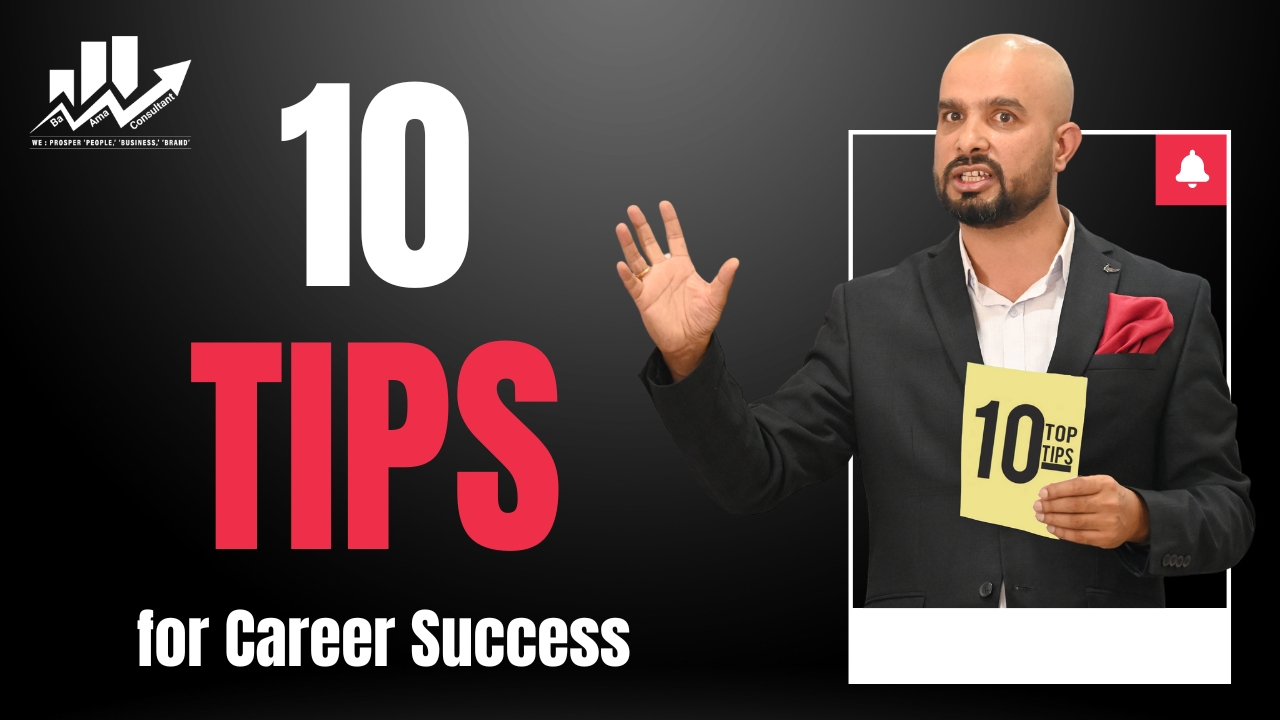
10 Tips for Career Success

10 Tips for career success

In today’s competitive world, building a successful career requires more than just hard work. It’s about having the right strategies, skills, and mindset to navigate your professional journey. Whether you are just starting out or looking to accelerate your growth, here are 10 tips for career success. These are inspired by the expertise of Mr. Diwakar Rijal, a renowned productivity coach, sales & marketing consultant, and trainer who has helped over 25,000 professionals, including doctors, healthcare professionals, and marketing managers in Nepal. How to Get Success in Career? Success in your career comes from a combination of clear goal-setting, continuous learning, and building strong professional relationships. Following these tips can put you on the path to career success. 1.  Set SMART Goals Success begins with setting clear, actionable goals. In Nepal’s evolving job market, simply working hard isn’t enough. You need to focus on SMART goals : Specific, Measurable, Achievable, Relevant, and Time-bound. By setting these kinds of goals, you give your career a direction. Whether you’re aiming for a promotion or learning new skills, setting SMART goals helps keep you on track and motivated. 2.  Get a Mentor Finding a mentor is a game-changer. A mentor with industry experience, like Mr. Diwakar Rijal, can guide you through career challenges, offering insights that you wouldn’t learn in school. Mentors help you grow faster by providing feedback, sharing their knowledge, and helping you avoid common mistakes. If you want to speed up your success, find a mentor in your industry or workplace and build a relationship. 3.  Build Relationships Building strong professional relationships is crucial for success. Networking is not just for senior professionals it’s important at all stages of your career. Whether you’re a fresh graduate or an experienced professional, Mr. Diwakar Rijal emphasizes the importance of connecting with colleagues, managers, and even competitors. In Nepal, where industries are often close-knit, having a solid network can open doors to new job opportunities and collaborations. 4.  Take Initiative Taking initiative is what separates successful professionals from the rest. In programs like “Lead or Bleed,” Mr. Rijal emphasizes the importance of stepping up and taking ownership. If you see a problem at work, don’t wait for someone else to solve it—propose a solution. Whether it’s volunteering to lead a project or suggesting new ideas, taking initiative shows that you are a proactive leader, and this will not go unnoticed by your supervisors. 5.  Develop Professional Skills The job market is constantly changing, and the skills that got you your first job might not be enough to keep you moving forward. In Nepal, where digital transformation is picking up speed, staying competitive means constantly upgrading your skills. Whether it’s improving your technical abilities or enhancing soft skills, make time for continuous learning. Mr. Rijal’s “Career Growth Multiplier” program teaches the importance of skill development in achieving long-term career success. 6.  Actively Communicate Clear and effective communication is key to career growth, no matter what industry you’re in. Whether you’re in sales, healthcare, or any other sector, communicating your ideas clearly can make a huge difference in your professional relationships. Mr. Rijal’s coaching programs, such as “You vs YOU,” stress the value of active communication. Always ensure your message is understood, and be open to feedback to improve your communication skills. 7.  Gain Trust Building trust with colleagues, managers, and clients is fundamental to career success. Trust can take years to build but only moments to lose. Mr. Rijal has built a credible reputation in the Nepalese pharmaceutical and healthcare industry by consistently delivering results. To gain trust, always be reliable, follow through on your commitments, and maintain transparency in your professional dealings. 8.  Keep Learning In Nepal’s rapidly changing economy, lifelong learning is essential. The skills you learned a few years ago may no longer be relevant today. Keep yourself updated with new technologies, market trends, and industry developments. Mr. Rijal’s work in digital transformation and strategy highlights the importance of always staying ahead of the curve. Make a habit of reading industry blogs, attending webinars, or even taking online courses to stay competitive. 9.  Create a Personal Brand Your personal brand is how the world perceives you. In today’s digital world, especially in Nepal where online visibility is growing rapidly, your personal brand can help you stand out. Mr. Rijal teaches that establishing yourself as an expert in your field can bring new career opportunities. Whether it’s through LinkedIn, personal websites, or social media, building a strong personal brand increases your chances of being noticed by recruiters and potential employers. 10.  Maintain Work-Life Balance While success in your career is important, maintaining a healthy work-life balance is equally essential. Mr. Rijal’s “Aasha” program teaches healthcare professionals in Nepal the importance of balancing their professional and personal lives. Avoid burnout by taking time for yourself, spending quality time with family, and engaging in hobbies that make you happy. A balanced life leads to higher productivity, creativity, and long-term success.
Motivational Speech is a Scam Until You Build the Right Skill Set

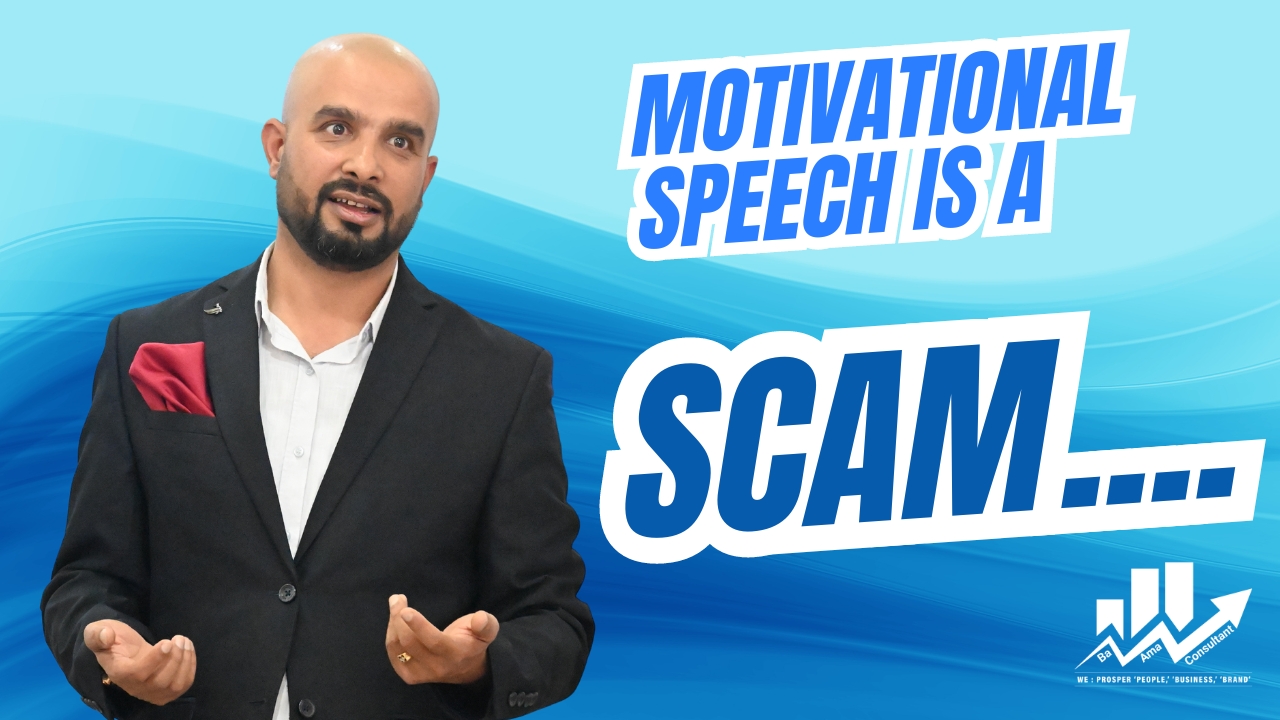
Motivational Speech is a Scam

In today’s world, motivational speeches are everywhere. From fiery speeches by Tony Robbins to the life lessons of Les Brown, these speakers have mastered the art of making us feel empowered and ready to conquer the world. However, while motivational speeches can ignite a temporary sense of inspiration, they can’t replace the practical skills needed to succeed. Without the right skill set, all the motivation in the world is useless, especially in industries like healthcare where the demand for specialized skills is ever-growing. In 2025, the future of many professions, including healthcare, will be shaped by rapid technological advances and the need for highly trained professionals. Let’s explore why motivational speeches alone aren’t enough and why building a solid skill set is critical for longterm success. The Reality Check: Why Skills Matter More Than Motivation Motivational speeches can provide a spark, but they cannot replace the real-world skills required for success. Without the proper qualifications, certifications, and hands-on experience, even the most motivated individual will struggle to find their footing. In fields like healthcare, where the stakes are high, success is dependent on having the right skills, not just the right mindset. As we look ahead to 2025, healthcare professionals—doctors, nurses, and technicians—will need to be more skilled than ever before. The rapid growth in medical technology, combined with a global aging population, means that the healthcare industry will continue to evolve at an unprecedented pace. But with this growth comes increased competition and the demand for highly specialized knowledge. Here’s why building a skill set is more important than ever. Skills in 2025: What Healthcare Professionals Need The healthcare industry is one of the most dynamic fields today. According to the World Economic Forum, healthcare professionals will be in high demand, but the expectations for these roles are increasing. By 2025, healthcare professionals will need to master a combination of technical, digital, and soft skills to stay competitive. Below are the key skills that will define success for healthcare workers in the coming years: The healthcare industry will remain stable and secure, largely due to the growing aging population and continuous advancements in medical technology. However, healthcare workers who fail to keep up with these changes, despite being highly motivated, will find it difficult to advance in their careers. World Economic Forum Data on Future Jobs According to the World Economic Forum’s Future of Jobs report, healthcare is one of the fastest-growing industries, with a significant demand for skilled professionals. The aging population and advancements in medical technology are key drivers of this growth. However, only those with the right combination of technical and soft skills will thrive in the evolving job market. Healthcare professionals will need to reskill and upskill to meet the demands of the future. For example, healthcare technicians may need to operate complex AI-driven equipment, and doctors will need to use big data to make more informed decisions. The World Economic Forum stresses that continuous learning and adaptability will be crucial for anyone looking to succeed in healthcare by 2025. The Role of Motivation: Inspiration Plus Action While skills are the bedrock of success, motivation plays a supporting role. It’s the fuel that keeps people pushing forward, especially when the road gets tough. However, as the title suggests, motivational speeches alone are not enough. They become truly effective when paired with action and skill development. One of Nepal’s leading motivational speakers, Mr. Diwakar Rijal, embodies this principle in his speeches. He offers a unique perspective on the relationship between motivation and skillbuilding. He rose to prominence by emphasizing the importance of personal growth, resilience, and skill acquisition. Mr. Rijal combines motivational speaking with practical advice on how to develop skills that lead to success. He doesn’t just motivate his audience , he equips them with the tools and strategies they need to develop the skills that lead to tangible results. His speeches focus on the balance between motivation and skill development, encouraging people to focus on continuous learning and personal improvement. For healthcare professionals and others looking to succeed in 2025, Diwakar Rijal’s message is clear: while motivation can ignite your passion, it’s the skills you build that will carry you forward. Conclusion: Skills First, Motivation Second While motivational speeches can inspire and energize us, they are not a substitute for practical skills. In fields like healthcare, success is determined by your ability to master both technical and soft skills. As we approach 2025, healthcare professionals must adapt to an evolving landscape shaped by technological advancements and an aging population. Motivational speakers like Diwakar Rijal can inspire us to pursue our goals, but the true path to success lies in continuous learning and skill development. The combination of motivation and action is what turns dreams into reality, making motivational speeches effective only when paired with a strong commitment to building the right skill set.

The Importance of Social Media Marketing for Healthcare

Social Media Marketing for Healthcare

In the ever-evolving digital world, healthcare providers are recognizing the importance of social media marketing for healthcare. From hospitals and clinics to individual doctors, leveraging social media platforms is now crucial for connecting with patients, building trust, and driving engagement. With millions of users actively participating in social media, it has become a powerful tool for healthcare digital marketing, particularly in improving patient outreach and engagement. 1.  Expanding Reach Through Social Media One of the primary benefits of social media marketing for healthcare is its ability to reach a vast audience. With platforms like Facebook, Instagram, and LinkedIn, hospitals, doctors, and clinics can connect directly with patients. This is especially important for healthcare providers in rural areas who want to make their services more accessible to a broader community. Targeted posts and ads enable healthcare professionals to engage with potential patients and promote services more effectively. Additionally, healthcare digital marketing allows organizations to share educational content, from preventive health tips to in-depth explanations of medical procedures. This educational approach not only builds credibility but also encourages trust. Patients increasingly turn to social media for health-related information, making it essential for healthcare providers to maintain an active and informative online presence. 2.  Building Trust Through Testimonials and Reviews Trust is a key factor in the healthcare sector, and social media can play a pivotal role in building and maintaining that trust. Sharing patient testimonials and reviews across social media platforms is an effective way for hospitals and clinics to humanize their services. By showcasing real-life patient success stories, healthcare organizations can attract new patients while reinforcing their credibility and expertise. In healthcare social media marketing, the impact of positive testimonials cannot be understated. A patient’s recommendation on Facebook or a glowing review on Google can carry significant weight in influencing others’ healthcare decisions. This type of social proof is critical for healthcare digital marketing, especially for clinics and doctors looking to expand their patient base. 3.  Promoting Health Awareness Campaigns Another major benefit of social media marketing for healthcare is the ability to run targeted health awareness campaigns. Whether promoting vaccinations, raising awareness about disease prevention, or addressing mental health, social media allows healthcare providers to spread important public health messages. Hospitals and clinics can utilize platforms like Instagram and Twitter to run campaigns that target specific demographics or health issues. For example, during global health crises like the COVID-19 pandemic, healthcare organizations worldwide turned to social media to disseminate essential information quickly. In this regard, social media for hospitals, doctors, and clinics becomes more than a marketing tool—it becomes a vital communication channel for health advocacy and education. 4.  Engaging Patients with Interactive Content Healthcare social media marketing thrives on interaction. Hospitals and clinics can use platforms to engage patients through live Q&A sessions, webinars, and informative videos. For instance, a clinic can host live events on Facebook or Instagram where healthcare professionals answer patient queries in real-time, providing immediate value and fostering stronger patient relationships. Interactive engagement not only educates patients but also enhances loyalty. Doctors can also use social media to conduct polls, surveys, and discussions, making patients feel more connected and involved in their healthcare journey. This form of direct engagement is a key element of successful social media marketing for healthcare. 5.  Leveraging Data for Targeted Healthcare Digital Marketing Data is essential for refining and optimizing social media marketing efforts. Through analytics tools available on platforms like Facebook and Instagram, healthcare providers can track patient engagement, monitor campaign performance, and understand audience behavior. This datadriven approach is critical for healthcare digital marketing, enabling providers to continuously improve their social media strategies. Hospitals and clinics can identify what type of content resonates best with their audience— whether it’s educational articles, patient testimonials, or health tips. By focusing on what works, healthcare organizations can maximize their return on investment (ROI) and improve patient outreach, ultimately boosting the effectiveness of their social media efforts. Conclusion For healthcare providers, the importance of social media marketing for healthcare cannot be overstated. From improving patient engagement to enhancing brand trust, social media for hospitals, doctors, and clinics offers an unparalleled opportunity to connect with patients and promote healthcare services. By embracing the full potential of healthcare social media marketing and adopting data-driven strategies, healthcare organizations can make a significant impact on patient care and community health.