7 steps of the selling process you can use
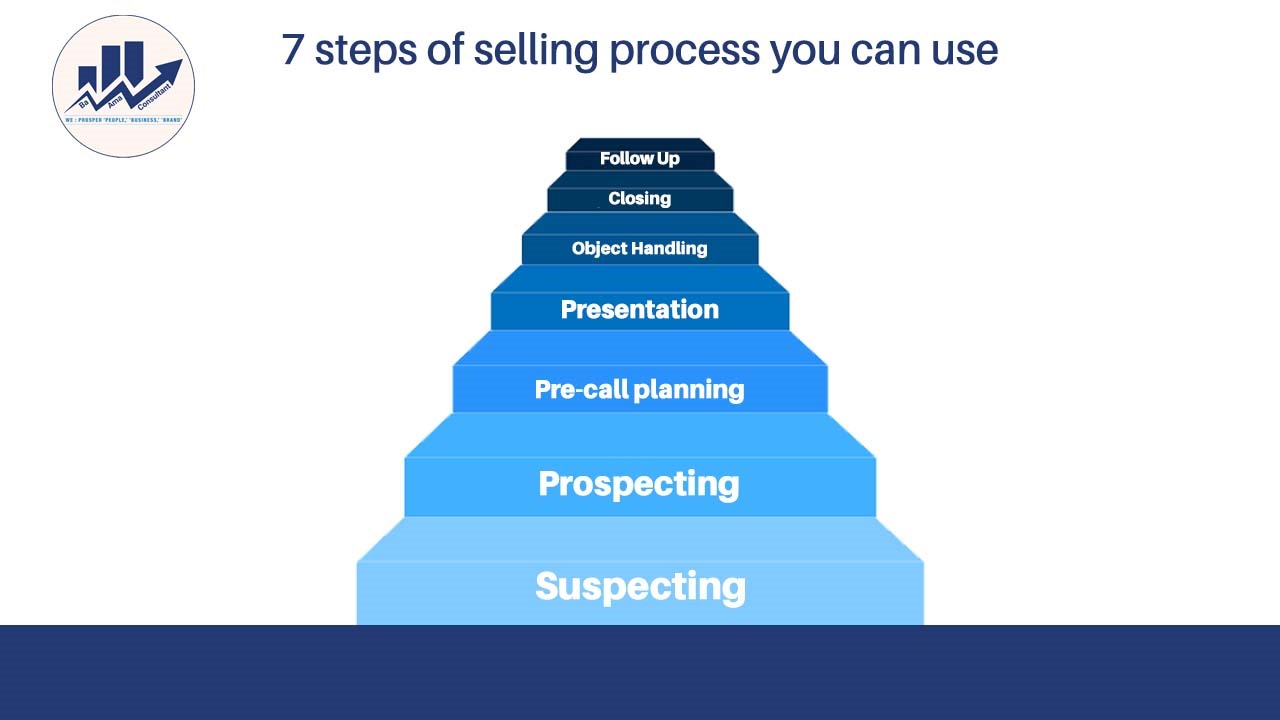
7 steps of the selling process

In the dynamic world of sales, mastering the selling process is key to achieving success. From identifying potential customers to closing the deal, each step plays a crucial role in steering prospects towards a purchase decision. In this guide, we’ll explore the 7 essential steps of the selling process and how you can navigate through them effectively. 1. Suspecting: Identifying Potential Leads The sales process begins with suspecting, where sales professionals identify potential leads based on various factors such as demographics, behavior, and market trends. According to HubSpot, 61% of B2B marketers cite generating high-quality leads as their biggest challenge. Utilize tools like customer relationship management (CRM) software and data analytics to identify and qualify potential leads effectively. In the case of the pharmaceutical industry, suspicion varies with the customer potential and the number of patients they serve. The activities are listing out customers and identification of propensity and potential. 2. Prospecting: Evaluating and Prioritizing Leads Prospecting involves evaluating and prioritizing leads based on their likelihood to convert into customers. Research by Harvard Business Review reveals that responding to leads within an hour makes you seven times more likely to have a meaningful conversation with a decision-maker. Use lead scoring techniques, Retail call prescription Audit (RCPA) and personalized communication to engage with prospects and move them further down the sales process. 3. Pre-call Planning: Preparation for Effective Communication Preparation is key to successful sales interactions. Precall planning involves researching prospects, understanding their pain points, planning the communication, Identification of the product and tailoring your approach accordingly. According to Salesforce, 82% of top-performing salespeople say they’re strong at researching prospects. Develop a thorough understanding of your product or service and anticipate potential objections to address them confidently during the sales conversation. 4. Presentation: Articulating Value Proposition The presentation stage is where you showcase the value proposition of your product or service to the prospect. Utilize storytelling techniques and visual aids to effectively communicate how your offering addresses the prospect’s needs and solves their challenges.  Remember the area of concern of the customer by using probing techniques of asking questions, aligning the problem, and placing your problem-solving solution to the customer. Be fluent in your communication, and avoid jargon and filler words. 5. Objection Handling: Addressing Concerns and Overcoming Resistance Objections are a natural part of the sales process and provide an opportunity to address concerns and build trust with the prospect. According to Sales Insights Lab, the top three objections in sales are related to price, competition, and timing. Actively listen to the prospect’s concerns, empathize with their perspective, and provide relevant information or testimonials to alleviate their doubts. Effective objection handling can turn skeptics into satisfied customers. 6. Closing: Sealing the Deal Many sales people fail in this part. Closing may not happen either by not following  the sales process or not being effective in the objection-handling process. Closing is the culmination of the sales process where the prospect makes the decision to purchase. Research by HubSpot indicates that 80% of sales require five follow-up calls after the meeting. Use closing techniques such as the assumptive close or the trial close to guide the prospect towards making a commitment. Maintain a sense of urgency without appearing pushy, and be prepared to address any final objections that may arise. 7. Follow-up: Building Long-Term Relationships The sales process doesn’t end with the closing; it’s just the beginning of a long-term relationship with the customer. Follow-up is essential for nurturing customer loyalty and generating repeat business. Research by Marketing Metrics suggests that the probability of selling to an existing customer is 60-70%, while the probability of selling to a new prospect is 5-20%. Stay in touch with customers through personalized communication, provide ongoing support, and seek feedback to continuously improve your products or services. In conclusion, mastering the 7 steps of the selling process requires a combination of strategic planning, effective communication, documentation of the communication and relationship-building skills. By understanding the needs of your prospects, addressing their concerns, and delivering value at every stage, you can successfully navigate through the sales journey and achieve sustainable business growth.


Mastering Sales Strategies for Success

Mastering Sales Strategies for Success

Introduction: In the dynamic and competitive business landscape, the ability to implement effective sales strategies is crucial for the success of any company. Sales strategies are the carefully planned and executed approaches that organizations use to promote and sell their products or services. In this article, we will explore key components of successful sales strategies and how businesses can tailor them to their specific needs. Understanding Your Target Audience: One of the fundamental pillars of a successful sales strategy is a deep understanding of the target audience. Before crafting any sales approach, it is essential to identify and analyze the needs, preferences, and pain points of your potential customers. This knowledge will enable you to tailor your messaging and offerings to address the specific concerns of your audience, increasing the likelihood of successful sales. Building Strong Relationships: Sales is not just about closing deals; it’s about building long-lasting relationships with customers. Establishing trust and credibility is vital in the sales process. Sales teams should focus on building relationships through effective communication, providing value, and being responsive to customer needs. A satisfied customer is more likely to become a repeat customer and advocate for your brand. Utilizing Technology and Data: In the digital age, leveraging technology and data is essential for effective sales strategies. Customer Relationship Management (CRM) systems, data analytics, and artificial intelligence can provide valuable insights into customer behavior and preferences. These tools enable sales teams to make informed decisions, personalize their approach, and streamline the sales process. Creating Compelling Value Propositions: A strong value proposition is the foundation of any successful sales strategy. Clearly articulate the unique benefits and advantages of your product or service compared to competitors. Highlighting the value your offering brings to customers helps differentiate your brand in a crowded market and convinces potential buyers to choose your solution. Effective Sales Team Training: Investing in the continuous training and development of your sales team is crucial for staying ahead in the competitive business landscape. Equip your sales representatives with the knowledge, skills, and tools they need to navigate complex sales scenarios, handle objections, and close deals effectively. Regular training sessions and workshops can keep the team sharp and adaptable. Diversifying Sales Channels: To maximize reach and effectiveness, businesses should explore various sales channels. This could include a combination of direct sales, online platforms, partnerships, and more. Diversifying your sales channels not only expands your market presence but also helps mitigate risks associated with dependence on a single avenue. Measuring and Adapting: An effective sales strategy is an evolving one. Regularly measure key performance indicators (KPIs) to assess the success of your strategy. Analyze sales data, customer feedback, and market trends to identify areas for improvement. A willingness to adapt and refine your approach based on real-time insights is essential for long-term success. Conclusion: Mastering sales strategies requires a holistic and customer-centric approach. By understanding your target audience, building strong relationships, utilizing technology, creating compelling value propositions, investing in sales team training, diversifying sales channels, and continuously measuring and adapting, businesses can position themselves for sustained growth and success in today’s competitive market.

How to Boost Your Sales as a Medical Representative: Tips for Success?

How to Boost Your Sales as a Medical Representative: Tips for Success

As a medical representative, your role is crucial in filling the gap between pharmaceutical companies and healthcare professionals. One of the key aspects of your job is to boost sales by effectively communicating the value of the products you represent. In this guide, we’ll walk you through practical strategies to help you maximize your Sales as a Medical Representative and build meaningful relationships with healthcare professionals. Getting Started: Building a Strong Foundation To make sales effectively, you need to enhance your product knowledge. Tell them how your product solves their problem that others can’t. Use competitive advantages to grab market share. Build trust and trust comes from truth. The Art of Persuasive Communication Persuasive communication led by authority and credibility. Build trust in the perception of customers. Use storytelling that directly hits their need and problems. Presents your product as a problem-solving product with the help of storytelling. E.g. This medicine saved thousands of lives as well as dollars. Many healthcare professional are recommending these medicines to their patients.  Support Claims with Data and Evidence Healthcare professionals rely on evidence-based decisions. Use scientific research and clinical trial data to support your product claims. Present this information in a clear and accessible manner, highlighting the benefits and safety of the products. Address any potential objections with factual responses that demonstrate your product’s credibility. The Power of Personalization There is diversity in the personalities and preferences of healthcare professionals. By matching your communication style with their beliefs, you can establish trust and a good rapport. You’ll develop a deeper connection with them and raise the possibility of effective sales conversations if you can demonstrate that you comprehend their particular problems and priorities. Overcoming Challenges and Objections Anticipate objections and challenges that healthcare professionals might raise. Develop strategies to address these concerns in a respectful and informative way. By proactively addressing objections, you show your professionalism and commitment to finding solutions. Building Long-Lasting Relationships Successful sales go beyond the initial transaction. Focus on building relationships based on trust and mutual benefit. Provide ongoing support and value by offering relevant information, educational resources, and timely updates about new products or developments. The Role of Emotional Intelligence Emotions play a significant role in decision-making. Understand the emotional factors that influence healthcare professionals’ choices and use empathy to connect on a deeper level. Balancing emotional appeals with factual information creates a well-rounded persuasive approach. The Follow-Up Factor Don’t underestimate the power of follow-up. After your initial interaction, continue the conversation by providing additional information, addressing lingering doubts, and maintaining open lines of communication. These follow-ups demonstrate your dedication and reinforce your message. Embracing Technology and Setting Goals Leverage technology to enhance your communication efforts. Digital tools and customer relationship management (CRM) systems can streamline your interactions and help you stay organized. Set clear sales goals and track your progress, adjusting your strategies as needed to achieve your    targets. Learning and Adapting The healthcare industry is dynamic and continuously evolving, so stay updated on industry trends and new developments through online resources. Be open to learning from your experiences, and past mistakes, celebrating your successes, and using setbacks as opportunities for growth. In conclusion, increasing sales as a medical representative requires a combination of effective communication, data-driven approaches, and relationship-building. By mastering these strategies and adapting them to the unique needs of healthcare professionals, you’ll be well on your way to achieving success in your role. Remember, every interaction is an opportunity to make a positive impact on patient care and contribute to the advancement of healthcare.