The Follow-Up Factor in Medical Representation

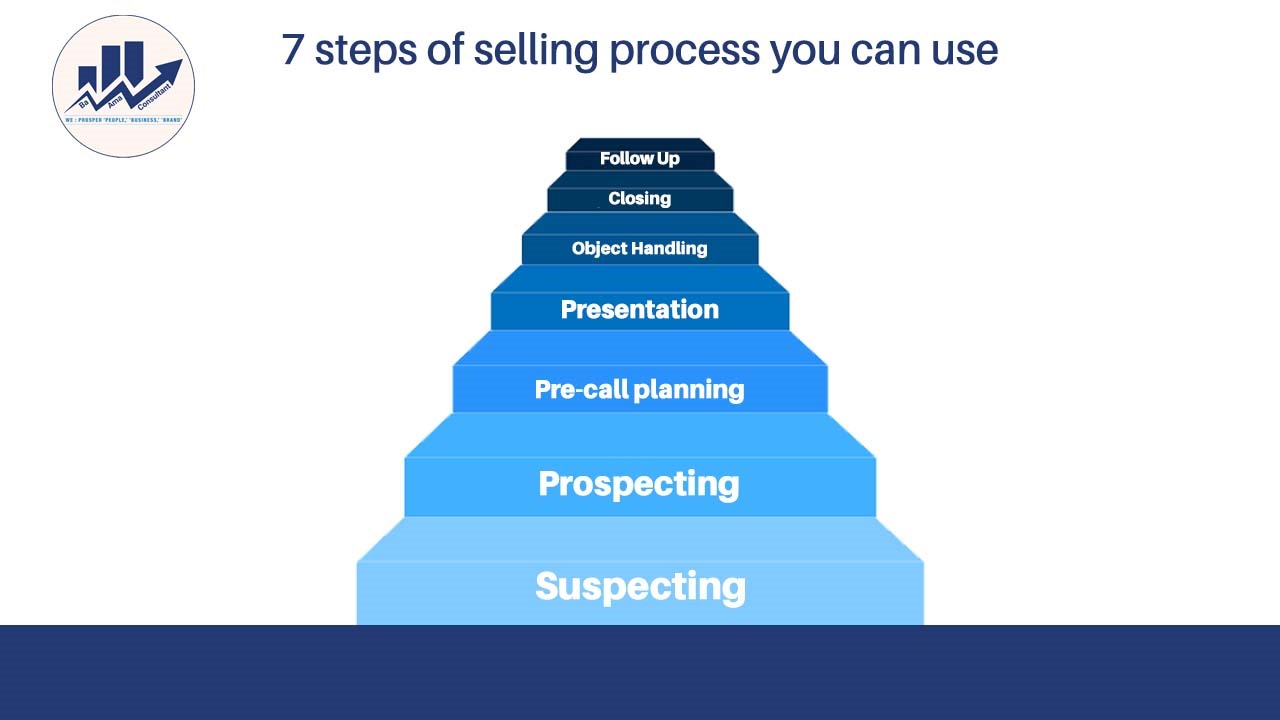
Follow-Up in MR

Introduction: Effective communication and relationship-building are crucial aspects of the pharmaceutical industry, and medical representatives play a pivotal role in establishing and maintaining connections with healthcare professionals. Among the various skills required for success in this field, the follow-up factor stands out as a key element that can significantly impact the effectiveness of a medical representative. In the dynamic and competitive landscape of healthcare, consistent and thoughtful follow-up can make all the difference in building trust, ensuring customer satisfaction, and ultimately driving business success. The Importance of Follow-Up in Medical Representation: Building Trust and Credibility: Establishing trust is paramount in the pharmaceutical industry, and consistent follow-up is a powerful tool in this regard. When medical representatives follow up on previous interactions, they demonstrate reliability and commitment. This helps build credibility with healthcare professionals who rely on accurate and timely information. Addressing Concerns and Queries: Healthcare professionals often have questions, concerns, or additional information needs after an initial interaction with a medical representative. Timely follow-up allows representatives to address these issues promptly, showing a commitment to providing comprehensive support. This not only helps in resolving concerns but also enhances the perceived value of the products or services being offered. Staying Informed and Adapting to Needs: The medical field is dynamic, with constant advancements and changes. Follow-up interactions enable representatives to stay informed about any developments, ensuring that the information they provide is up-to-date and relevant. Additionally, through ongoing communication, representatives can adapt their approach based on the evolving needs of healthcare professionals. Nurturing Long-Term Relationships: Successful medical representation goes beyond individual transactions; it involves cultivating long-term relationships. Regular follow-ups contribute to relationship-building by keeping the lines of communication open. This approach can lead to loyalty from healthcare professionals, who are more likely to choose products or services from representatives they trust and have a positive ongoing relationship with. Enhancing Customer Satisfaction: Medical representatives who prioritize follow-up contribute to overall customer satisfaction. Whether it’s checking in on the usage of a particular product, offering additional resources, or providing support in resolving issues, consistent follow-up demonstrates a commitment to customer success. Satisfied healthcare professionals are more likely to continue their partnership with a pharmaceutical company. Gaining Valuable Feedback: Follow-up interactions provide an opportunity for medical representatives to gather feedback from healthcare professionals. Understanding the challenges, preferences, and concerns of the target audience allows representatives to tailor their approach, improve their offerings, and better meet the needs of their customers. Conclusion: In the highly competitive field of medical representation, the follow-up factor emerges as a critical element for success. By prioritizing consistent and thoughtful follow-up, representatives can build trust, address concerns, stay informed, nurture long-term relationships, enhance customer satisfaction, and gain valuable feedback. In doing so, they not only contribute to their own success but also play a vital role in promoting positive outcomes for healthcare professionals and, ultimately, patient care.

How to Boost Your Sales as a Medical Representative: Tips for Success?

How to Boost Your Sales as a Medical Representative: Tips for Success

As a medical representative, your role is crucial in filling the gap between pharmaceutical companies and healthcare professionals. One of the key aspects of your job is to boost sales by effectively communicating the value of the products you represent. In this guide, we’ll walk you through practical strategies to help you maximize your Sales as a Medical Representative and build meaningful relationships with healthcare professionals. Getting Started: Building a Strong Foundation To make sales effectively, you need to enhance your product knowledge. Tell them how your product solves their problem that others can’t. Use competitive advantages to grab market share. Build trust and trust comes from truth. The Art of Persuasive Communication Persuasive communication led by authority and credibility. Build trust in the perception of customers. Use storytelling that directly hits their need and problems. Presents your product as a problem-solving product with the help of storytelling. E.g. This medicine saved thousands of lives as well as dollars. Many healthcare professional are recommending these medicines to their patients.  Support Claims with Data and Evidence Healthcare professionals rely on evidence-based decisions. Use scientific research and clinical trial data to support your product claims. Present this information in a clear and accessible manner, highlighting the benefits and safety of the products. Address any potential objections with factual responses that demonstrate your product’s credibility. The Power of Personalization There is diversity in the personalities and preferences of healthcare professionals. By matching your communication style with their beliefs, you can establish trust and a good rapport. You’ll develop a deeper connection with them and raise the possibility of effective sales conversations if you can demonstrate that you comprehend their particular problems and priorities. Overcoming Challenges and Objections Anticipate objections and challenges that healthcare professionals might raise. Develop strategies to address these concerns in a respectful and informative way. By proactively addressing objections, you show your professionalism and commitment to finding solutions. Building Long-Lasting Relationships Successful sales go beyond the initial transaction. Focus on building relationships based on trust and mutual benefit. Provide ongoing support and value by offering relevant information, educational resources, and timely updates about new products or developments. The Role of Emotional Intelligence Emotions play a significant role in decision-making. Understand the emotional factors that influence healthcare professionals’ choices and use empathy to connect on a deeper level. Balancing emotional appeals with factual information creates a well-rounded persuasive approach. The Follow-Up Factor Don’t underestimate the power of follow-up. After your initial interaction, continue the conversation by providing additional information, addressing lingering doubts, and maintaining open lines of communication. These follow-ups demonstrate your dedication and reinforce your message. Embracing Technology and Setting Goals Leverage technology to enhance your communication efforts. Digital tools and customer relationship management (CRM) systems can streamline your interactions and help you stay organized. Set clear sales goals and track your progress, adjusting your strategies as needed to achieve your    targets. Learning and Adapting The healthcare industry is dynamic and continuously evolving, so stay updated on industry trends and new developments through online resources. Be open to learning from your experiences, and past mistakes, celebrating your successes, and using setbacks as opportunities for growth. In conclusion, increasing sales as a medical representative requires a combination of effective communication, data-driven approaches, and relationship-building. By mastering these strategies and adapting them to the unique needs of healthcare professionals, you’ll be well on your way to achieving success in your role. Remember, every interaction is an opportunity to make a positive impact on patient care and contribute to the advancement of healthcare.

Driving Digital Transformation in the Pharmaceutical Sector

Driving Digital Transformation in the Pharmaceutical Sector

Introduction: Digital transformation has revolutionized numerous industries, and the pharmaceutical sector is no exception. This article explores the profound impact of digital technologies on the pharmaceutical industry and how consultants play a crucial role in guiding companies through the implementation of digital transformation initiatives. From harnessing the power of AI and big data analytics to embracing telemedicine, the integration of digital technologies has the potential to reshape the pharmaceutical landscape, enhance patient care, and improve operational efficiency. The Benefits of Digital Technologies on the Pharmaceutical Industry: a. Advanced Drug Discovery: Digital technologies, such as AI and machine learning, accelerate drug discovery by efficiently analyzing vast datasets to identify potential drug candidates and predict their interactions with biological systems. This expedites the drug development process and reduces costs. b. Personalized Medicine: Big data analytics and genomics enable the development of personalized treatment plans based on an individual’s genetic makeup, lifestyle, and health data. This targeted approach improves treatment efficacy and minimizes adverse effects. c. Real-World Evidence (RWE): Digital technologies facilitate the collection and analysis of real-world patient data, providing valuable insights into drug performance, safety, and effectiveness in diverse patient populations. RWE enhances post-market surveillance and supports regulatory decision-making. d. Supply Chain Optimization: Blockchain technology enhances supply chain transparency and traceability, reducing the risk of counterfeit drugs and streamlining logistics. IoT (Internet of Things) devices help monitor product conditions during transportation and storage. The Role of Pharmaceutical Consultants in Digital Transformation: a. Strategic Assessment: Pharmaceutical consultants conduct comprehensive assessments of a company’s current digital capabilities, identify gaps and opportunities, and define a digital transformation roadmap aligned with the company’s goals. b. Technology Integration: Consultants guide pharmaceutical companies in adopting and integrating appropriate digital tools, ensuring seamless data flow, interoperability, and compliance with regulatory standards. c. Change Management: Implementing digital transformation initiatives requires a shift in organizational culture and workflows. Consultants assist in change management, fostering a digital-first mindset among employees and stakeholders. d. Data Security and Privacy: With the increased use of digital technologies comes the need for robust data security and privacy measures. Consultants help companies implement best practices to safeguard sensitive patient data and comply with relevant data protection regulations. Embracing Telemedicine and Digital Health Solutions: a. Telemedicine Adoption: Consultants advise pharmaceutical companies on incorporating telemedicine platforms and remote patient monitoring systems to enhance patient engagement, improve access to healthcare, and enable virtual consultations. b. Digital Therapeutics: Consultants explore opportunities for pharmaceutical companies to develop or partner with digital therapeutics providers, offering software-based treatments and interventions to complement traditional pharmaceuticals. c. Patient Support and Adherence: Digital solutions, such as mobile apps and wearable devices, can support patients in adhering to their treatment regimens, leading to better health outcomes and improved patient loyalty. Conclusion: Digital transformation has ushered in a new era for the pharmaceutical industry, where innovative technologies like AI, big data analytics, and telemedicine are reshaping the way drugs are discovered, developed, and delivered to patients. Pharmaceutical consultants play a pivotal role in guiding companies through this transformation, ensuring successful adoption of digital initiatives, optimizing operations, and ultimately, improving patient care and outcomes. As the industry continues to evolve, embracing digital technologies with the guidance of experienced consultants will be crucial for staying competitive and making a positive impact on global healthcare.