SEO in Nepal: A Guide to Rank, Build Trust & Generate Leads in 2026

SEO in Nepal for businesses to grow and rank

Introduction: Why SEO in Nepal Matters More Than Ever SEO in Nepal is no longer only about ranking a website on Google. It is about helping the right people find your business when they are actively searching for your service, product, doctor, clinic, consultancy, restaurant, college, or brand. In simple words, SEO helps your website appear in Google search results when people search for terms related to your business. For example, if someone searches “best restaurant in Kathmandu,” “SEO expert in Nepal,” “digital marketing agency in Nepal,” or “clinic near me,” Google shows websites that it understands, trusts, and finds useful for that search. That is why SEO is now a serious growth channel for Nepali businesses. It supports brand visibility, website traffic, trust building, lead generation, and long-term digital presence. Unlike paid ads, SEO does not stop immediately when the budget ends. If your website is properly optimized, it can continue bringing organic visitors for months or even years. But SEO in 2026 is not the same as old SEO. Keyword stuffing, random backlinks, copied blogs, and AI-generated generic content are no longer enough. Modern SEO requires strategy, content depth, topical authority, technical optimization, local search visibility, and helpful answers that users and AI search engines can understand. What Does SEO Mean? SEO stands for Search Engine Optimization. It is the process of improving your website so that search engines like Google can easily crawl, understand, index, and rank your pages. SEO also helps users find useful answers quickly. A good SEO strategy includes: SEO Area What It Means Example On-page SEO Optimizing content, headings, keywords, images, and internal links Writing a helpful blog on “SEO cost in Nepal” Technical SEO Improving speed, mobile usability, indexing, structure, and security Fixing slow website speed Local SEO Helping nearby customers find your business Ranking for “SEO agency in Lalitpur” Content SEO Creating useful content around search intent Publishing blogs, service pages, FAQs Off-page SEO Building credibility outside your website Getting quality backlinks and brand mentions Semantic SEO Covering a topic deeply, not only one keyword Explaining SEO, cost, tools, process, FAQs AEO/GEO Optimizing for AI answers and answer engines Short direct FAQs and structured content SEO is not just a technical task. It is a combination of marketing, content, user experience, data analysis, and trust building. Why Is SEO Important for Businesses in Nepal? Nepali customers are searching online before making decisions. They search for doctors, colleges, travel agencies, restaurants, training institutes, real estate, clinics, consultancies, products, and professional services. If your business is not visible on Google, your competitors may get the inquiry first. SEO helps your business in Nepal by: For example, a healthcare clinic in Kathmandu may receive patients from Google searches like “ENT doctor in Kathmandu,” “thyroid specialist near me,” or “best IVF center in Nepal.” Similarly, a training company can rank for “sales training in Nepal,” “leadership training in Nepal,” or “digital marketing training in Kathmandu.” This is why SEO should not be treated as an optional activity. It should be part of your complete digital marketing in Nepal strategy. How SEO in Nepal Has Changed in 2026 SEO has evolved strongly in recent years. Earlier, many businesses focused only on keywords and backlinks. Today, Google and AI-powered search engines look for helpful, trustworthy, well-structured, and experience-based content. The focus has shifted from “How can we rank?” to “How can we give the best answer?” Old SEO vs Modern SEO Old SEO Practice Modern SEO Practice Repeating keywords many times Using natural language and related terms Writing thin blogs Creating complete, useful topic coverage Buying random backlinks Earning relevant authority links Ignoring user experience Improving speed, structure, and readability Writing only for Google Writing for users, Google, and AI search Publishing generic AI content Adding real insight, examples, and expertise Focusing only on ranking Focusing on leads, trust, and conversions In 2026, successful SEO needs a balance of technical accuracy, helpful content, brand authority, and user trust. What Is Search Intent in SEO? Search intent means the reason behind a user’s search. If you understand search intent, you can create content that satisfies the user faster. There are four common types of search intent: Search Intent User Example Best Content Type Informational “What is SEO?” Blog, guide, FAQ Commercial “Best SEO agencies in Nepal” Comparison article, service page Transactional “Hire SEO expert in Nepal” Landing page, consultation CTA Local “SEO agency near me” Local SEO page, Google Business Profile Navigational “BaAma Consultant SEO service” Brand/service page This blog mainly targets informational intent. But it also supports commercial intent because users searching “SEO in Nepal” may later compare agencies, costs, and service providers. That is why a strong blog should educate first and guide users naturally toward a solution. Key Elements of SEO in Nepal A complete SEO strategy includes multiple layers. Missing one layer can limit performance. 1. Keyword Research Keyword research helps you understand what your target audience is searching for. For Nepali businesses, keyword research should include English, Nepali, Roman Nepali, and local search variations. Example keyword variations: Good keyword research does not mean choosing only high-volume keywords. Sometimes low-volume, high-intent keywords bring better leads. For example, “SEO service for healthcare clinics in Nepal” may have fewer searches, but it may attract a serious business owner. 2. On-Page SEO On-page SEO means optimizing the visible and structural elements of a webpage. It includes: For example, a page targeting “SEO in Nepal” should use the keyword in the title, first paragraph, meta title, meta description, URL, and some headings. But it should not repeat the keyword unnaturally. Google can understand related terms like “search engine optimization in Nepal,” “Google ranking service,” and “organic search marketing.” 3. Technical SEO Technical SEO helps search engines crawl and index your website properly. A technically weak website may struggle to rank even if the content is good. Important technical SEO factors include: For Nepali businesses, mobile performance is especially important because many users browse websites through smartphones. If … Read more

Types of Digital Marketing Every Business Should Know

types of digital marketing

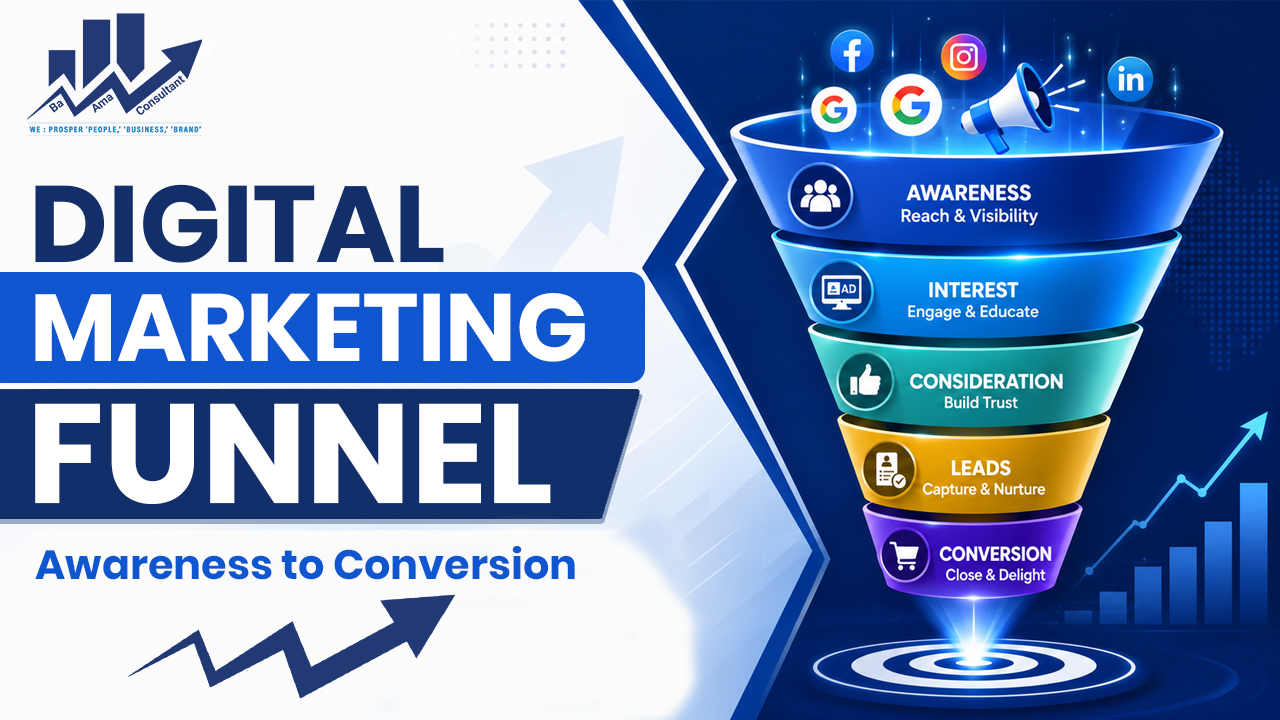
The types of digital marketing that every business should know include SEO, social media marketing, content marketing, email marketing, paid advertising, video marketing, influencer marketing, affiliate marketing, local SEO, and marketing analytics. Each type helps a business reach customers online, build trust, generate leads, and measure results more clearly than many traditional marketing methods. For businesses in Nepal, digital marketing is becoming more important because customers now search, compare, ask, and buy through online channels. DataReportal reported 16.6 million internet users in Nepal by October 2025, with internet penetration at 56%. It also reported 14.8 million social media user identities, equal to 50% of the population at the end of 2025. That means your customers are likely using Google, Facebook, Instagram, TikTok, YouTube, Maps, websites, and messaging apps before they choose a product, clinic, service, course, restaurant, or consultant. Digital marketing does not mean posting random content or boosting every post. It means choosing the right online channels based on your audience, budget, offer, location, and business goal. What Is Digital Marketing? Digital marketing is the use of online channels to promote a business, educate customers, generate inquiries, and increase sales. It includes organic channels like SEO and content marketing, paid channels like Google Ads and Meta Ads, and owned channels like websites, email lists, and customer databases. Unlike traditional marketing, digital marketing gives businesses more control over targeting and measurement. You can track website visits, calls, form submissions, messages, leads, conversions, and return on ad spend. Google also recommends creating content that is helpful, reliable, and people-first rather than content made only to manipulate search rankings.  That is why modern digital marketing should focus on useful information, clear offers, real expertise, trust signals, and measurable performance. Why Are Different Types of Digital Marketing Important? Not every customer is ready to buy today. Some people are just learning. Some are comparing options. Some are ready to contact a business. Some need repeated reminders before making a decision. Different digital marketing channels support different stages of this journey. Customer Stage User Intent Best Digital Marketing Types Awareness “I have a problem.” Social media, video, content marketing Research “What are my options?” SEO, blogs, YouTube, comparison content Consideration “Which provider should I trust?” Case studies, reviews, email, remarketing Conversion “I want to contact you or buy.” PPC, landing pages, local SEO, WhatsApp forms Retention “Should I return or refer?” Email, SMS, community, loyalty campaigns A business usually gets better results when it uses multiple channels together instead of depending on only one platform. For example, SEO can bring long-term traffic. Paid ads can bring quicker visibility. Social media can build engagement. Email can nurture existing leads. Analytics can show what is actually working. 1. Search Engine Optimization, SEO SEO is the process of improving a website so it appears better in search engine results when people search for relevant products, services, or information. For example, a business may want to appear when people search: “digital marketing agency in Nepal”“best dental clinic in Lalitpur”“pharma marketing consultant Nepal”“SEO services for small business”“training and development company in Nepal” SEO includes keyword research, technical improvements, helpful content, internal linking, backlinks, Google Business Profile optimization, and user experience. BaAma Consultant lists SEO & SEM among its services, along with web development, social media marketing, content marketing, and personal branding. Benefits of SEO SEO helps businesses attract people who are already searching for a solution. This makes it one of the strongest digital marketing methods for long-term visibility. The main benefits include: SEO Benefit How It Helps Organic visibility Helps customers find your website through Google Trust building Ranking with helpful content improves credibility Lead generation Brings searchers who already have intent Cost efficiency Reduces long-term dependency on paid ads Local discovery Helps nearby customers find your business SEO is especially useful for service businesses, healthcare organizations, consultants, education providers, ecommerce stores, and local companies. 2. Search Engine Marketing, SEM or PPC Advertising Search Engine Marketing usually refers to paid ads on search engines such as Google. With PPC advertising, businesses pay when someone clicks the ad. This can be useful when you want faster visibility for commercial keywords. For example, a business can run ads for: “digital marketing services in Nepal”“doctor appointment in Kathmandu”“best training institute in Nepal”“website design company in Nepal” PPC works well when the landing page is clear, the offer is relevant, and tracking is properly set up. SEO vs PPC: Which Is Better? Factor SEO PPC Speed Takes time Can start quickly Cost Investment in content and optimization Pay per click or impression Longevity Can bring traffic over time Stops when budget stops Best For Long-term growth Quick campaigns and lead generation Measurement Organic traffic, rankings, conversions Clicks, cost per lead, ROAS The best choice depends on your goal. SEO is better for long-term authority. PPC is better when you need quick visibility, testing, or lead generation. Many businesses use both. 3. Social Media Marketing Social media marketing uses platforms like Facebook, Instagram, TikTok, LinkedIn, and YouTube to reach and engage audiences. In Nepal, social media is important because a large portion of online users spend time on social platforms. DataReportal reported that social media user identities in Nepal increased by 950,000, or 6.9%, between late 2024 and late 2025. It also noted that social media identity figures may not represent unique individuals, so businesses should treat the data carefully. Social media marketing includes organic posting, page management, short videos, reels, community engagement, paid ads, influencer collaborations, and customer support. Best Uses of Social Media Marketing Social media works well for: Brand awarenessCommunity buildingProduct educationEvent promotionCustomer engagementRetargeting warm audiencesHumanizing the business For businesses in Nepal, local language, cultural context, festival campaigns, customer stories, staff videos, and educational content often perform better than generic sales posts. 4. Content Marketing Content marketing means creating useful content that educates, informs, or helps the audience make better decisions. It includes blog posts, guides, case studies, videos, infographics, newsletters, checklists, webinars, FAQs, and downloadable resources. Content marketing … Read more

Digital Marketing vs Traditional Marketing: Which Works Better for Businesses in Nepal?

digital marketing vs traditional marketing

Digital marketing uses online channels such as websites, search engines, social media, email, video, and paid ads to reach customers. Traditional marketing uses offline channels such as television, radio, newspapers, brochures, billboards, events, and direct sales. For most businesses in Nepal, the right answer is not “digital marketing vs traditional marketing” as a fight. The better question is: which channel helps your audience trust you, find you, and take action at the right time? In many cases, a combined strategy works best. Digital channels are measurable, flexible, and useful for targeting. Traditional channels still build awareness, local trust, and visibility among people who may not be highly active online. BaAma Consultant Service provides sales training, placement, and digital marketing solutions, with experience in healthcare and pharmaceutical industries in Nepal. This gives the topic practical relevance for businesses that need both trust and reach. What Is Digital Marketing? Digital marketing is the promotion of products, services, brands, or ideas through online platforms and digital technologies. It includes channels such as: In simple words, it helps a business appear where customers already search, scroll, watch, compare, and make decisions. For example, a clinic in Lalitpur may use Google search visibility to appear when someone searches “best dermatologist near me.” A training company may use Facebook and YouTube content to educate students. A pharmaceutical distributor may use LinkedIn, email, and landing pages to reach professional buyers. Digital promotion is especially useful when people need information before contacting a business. What Is Traditional Marketing? Traditional marketing refers to offline marketing methods used before the rise of internet based promotion. Common examples include: Traditional methods are still relevant in Nepal because not every customer is fully online. Some people trust local presence, print materials, personal meetings, or familiar media channels more than internet ads. For businesses that depend on geography, reputation, or community trust, traditional marketing can still support brand recall. Digital Marketing in Nepal: Why This Comparison Matters Now Nepal’s customer behavior is changing, but the market is still mixed. DataReportal reported that Nepal had 16.6 million internet users by October 2025, with internet penetration at 56%. It also reported 14.8 million social media user identities, equal to about 50% of the population. At the same time, around 13 million people were still offline, which means businesses should not ignore offline audiences. This creates a practical lesson: online marketing is growing, but traditional touchpoints still matter. A restaurant in Kathmandu may get customers from TikTok videos, Google Maps, and Instagram reels. But a hospital, school, real estate company, or pharmaceutical brand may still need offline trust-building through seminars, local referrals, printed materials, and sales representatives. That is why the best marketing strategy in Nepal often depends on three things: Digital Marketing vs Traditional Marketing: Main Differences Factor Digital Marketing Traditional Marketing Main channels Google, websites, social media, email, video, online ads TV, radio, newspapers, billboards, flyers, events Targeting Can target by interest, search intent, location, behavior Usually broader targeting Measurement Clicks, leads, calls, traffic, conversions can be tracked Harder to measure accurately Cost control Budgets can start small and scale Usually needs higher upfront cost Speed Campaigns can be edited quickly Changes take more time Trust factor Builds trust through content, reviews, website, case studies Builds trust through visibility, familiarity, physical presence Best for Lead generation, education, remarketing, search visibility Mass awareness, local presence, brand recall Limitation Needs skills, consistency, platform knowledge Less precise tracking and targeting The biggest difference is measurability. With online marketing, a business can often see which campaign brought traffic, calls, messages, or leads. With offline campaigns, results are usually estimated through sales changes, coupon codes, customer surveys, or location-based tracking. Which Is More Cost-Effective? Digital marketing is often more cost-effective for small and medium businesses because it allows controlled testing. A business can start with a small budget, test different messages, analyze performance, and improve the campaign. For example, a training institute can run two ad versions and see which one brings more inquiry forms. Traditional marketing can be effective, but it usually requires larger initial investment. Printing, radio slots, billboard rental, and event sponsorships may not be easy to test in small amounts. However, “cheaper” does not always mean “better.” A billboard near a hospital area may be useful for a healthcare-related brand. A radio message may work for rural awareness. A printed brochure may support a medical representative’s meeting. The best choice depends on the business goal. When Digital Marketing Works Better Online marketing works better when customers actively search or compare options. It is useful for businesses that want: For example, people often search online before choosing a doctor, training course, consultant, restaurant, school, software provider, or agency. This is where SEO, content, Google Business Profile optimization, reviews, and helpful blog posts can influence decisions. A digital marketing agency in Nepal can also help businesses understand audience behavior, keyword demand, content gaps, and conversion data. When Traditional Marketing Works Better Traditional marketing works better when physical presence and repeated visibility matter. It is useful for: For example, a pharmaceutical company may still depend on field representatives, printed product information, doctor meetings, and conferences. A local school may still benefit from banners, community events, and referral networks. Traditional marketing is also helpful when the product needs explanation in person or when the audience is not highly active online. Why a Hybrid Strategy Often Works Best in Nepal A hybrid strategy combines the strengths of both methods. For example: A healthcare brand may use seminars and doctor networking offline, while also using SEO, educational blogs, and social media videos online. A training company may use school visits and printed brochures, while also running Facebook ads and publishing career-focused content. A retail business may use local signage and events, while also improving Google Maps visibility and Instagram content. This approach reduces risk. Businesses should not rely only on one channel. Nepal’s brief social media platform restrictions in September 2025, which were later lifted, showed that platform dependency can … Read more