
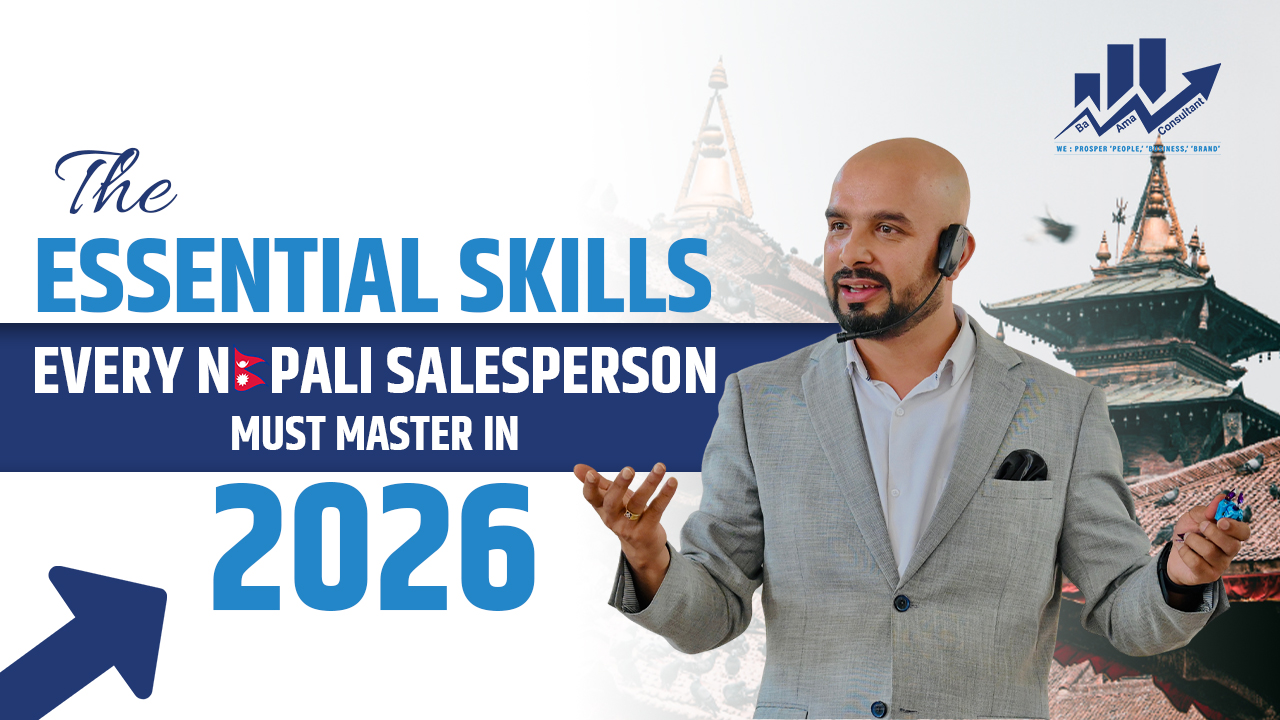
Insights from Nepal’s Leading Sales Trainer, Diwakar Rijal
Essential sales skills for Nepali salespeople are changing rapidly in 2026, and mastering these skills is critical for success in today’s evolving market. Organizations investing in expert-led sales training guided by seasoned professionals like Diwakar Rijal, one of the most trusted sales trainers in Nepal are seeing higher conversions, stronger client relationships, and sustainable business growth.

The Changing Landscape of Sales in Nepal
Sales in Nepal are transforming rapidly. Customers are more informed, competition is higher, and digital behavior has changed how people buy. Traditional sales tactics no longer work.
To stay competitive in 2026, Nepali salespeople must adopt modern skills, advanced frameworks, and updated communication techniques tailored to Nepali market dynamics.
According to Diwakar Rijal, a widely respected sales trainer in Nepal, the greatest challenge for sales professionals today is upgrading themselves faster than the market changes.
This blog explores the essential skills every Nepali salesperson must master, why they matter, and how the right sales training builds high-performing teams.
Why Essential Sales Skills for Nepali Salespeople Are Evolving
Several factors are reshaping how sales works:
✔ Digital-first buyers
Customers now research online before contacting sales teams.
✔ Increased competition
Local and international brands are entering Nepal.
✔ Higher expectations
Customers expect faster responses, transparency, and empathy.
✔ Rise of AI & technology
AI tools are influencing customer engagement and sales forecasting.
✔ Shift from product selling to solution selling
Salespeople must solve problems, not just pitch products.
This creates demand for skilled sales professionals who can navigate the complexity of today’s Nepali business environment.
A Framework for Sales Success in Nepal (2026 Edition)
(shared by Diwakar Rijal)
| Foundation | Execution | Optimization |
| Mindset | Communication | Data driven selling |
| Market Knowledge | Prospecting | Customer experience |
| Product Mastery | Presentation | Long-term relationship building |
Nepali salespeople who apply this 3 stage framework outperform others in both KPIs and customer satisfaction.
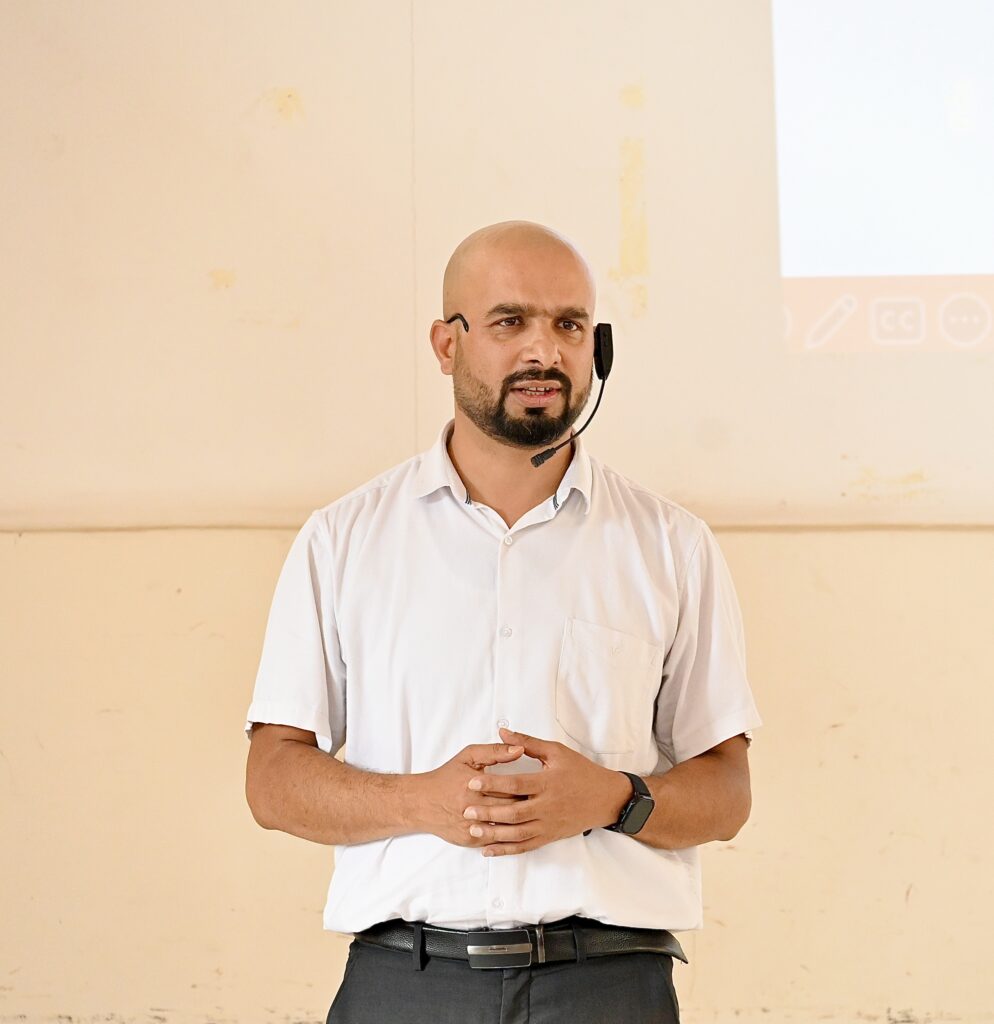
1. Consultative Selling Skills
Consultative selling is the most important skill in Nepal’s evolving sales landscape. Instead of aggressively pushing products, salespeople must act as advisors.
🔑 Key Behaviors:
- Ask insightful questions
- Understand customer pain points
- Recommend customized solutions
- Build trust instead of pressure
Why It Matters in Nepal
Buyers in Nepal rely heavily on relationships and trust. Consultative selling creates long-term clients and higher referrals.
Sales training programs by experts like Diwakar Rijal emphasize consultative techniques because they generate higher conversions across industries.
2. Empathy & Emotional Intelligence (EQ)
Nepal’s business culture is deeply human centered. Customers respond positively to empathy, active listening, and genuine communication.
Why EQ Matters:
- Helps build rapport
- Improves negotiation outcomes
- Reduces conflict
- Enhances customer experience
Emotional intelligence is now a mandatory part of modern sales training worldwide and especially effective in Nepal’s relationship-driven market.
3. Digital Communication Mastery
Digital selling is no longer optional. Nepali customers expect fast, clear, and professional communication through:
- WhatsApp
- Facebook
- Email
- Viber
- LinkedIn
- Company websites
Skills Needed:
- Writing clear messages
- Handling inquiries quickly
- Using voice notes effectively
- Creating professional follow-up sequences
A great sales trainer in Nepal, like Diwakar Rijal, teaches salespeople how to communicate digitally with confidence and clarity.
4. Product Storytelling
Customers remember stories, not product features.
Good storytelling includes:
- Problem → Solution → Benefit
- Customer success stories
- Emotional triggers
- Real-life examples
In Nepal’s competitive market, storytelling differentiates your brand instantly.
5. Negotiation & Persuasion Skills
Negotiation is a crucial skill in Nepal because:
- Buyers often request discounts
- Businesses compare multiple vendors
- Decision making cycles are long
- Budget constraints are common
Effective negotiators can:
- Maintain value while reducing resistance
- Present alternatives
- Understand buyer psychology
- Close deals faster
Strong negotiation training is a core component of modern sales training programs.
6. Prospecting & Lead Generation
Nepali salespeople still struggle with consistent lead flow because they rely on:
- Walk-ins
- Word of mouth
- Old networking habits
Required Prospecting Skills:
- Cold calling
- Social selling
- Referral generation
- Lead nurturing
- Corporate outreach
Companies that train their teams in these areas see exponential growth.
7. Handling Objections Professionally
Objections often mean interest, not rejection. Salespeople must learn to:
✔ Listen fully
✔ Validate concerns
✔ Respond with clarity
✔ Showcase value
✔ Convert doubt into confidence
Example Nepali objections:
- “Budget chaina.”
- “Pachhi kura garula.”
- “Board sanga kura garnu parcha.”
Professionally trained salespeople overcome these easily.
8. CRM & Sales Tools Competency
Technology is becoming essential. Nepali businesses now use:
- CRM systems
- Automated follow-ups
- Sales dashboards
- Lead tracking tools
- Performance analytics
Sales teams that embrace technology achieve better forecasting and higher closing rates.
9. Time Management & Productivity
A salesperson’s performance is directly linked to how well they manage:
- Follow-ups
- Pipeline
- Meetings
- Documentation
- Daily targets
Time blocking, priority mapping, and productivity frameworks greatly enhance output.
10. Resilience & Growth Mindset (Critical for Nepal’s Market)
Mental strength is crucial because:
- Customers decline
- Leads go cold
- Market changes
- Competition grows
Nepal’s best salespeople don’t rely on motivation alone; they rely on discipline, routine, and resilience.
This is a major theme in Diwakar Rijal’s sales training philosophy.

Why Essential Sales Skills For Nepali Salespeople In 2026 Matter
| Metric | Without Training | With Training |
| Lead Conversion Rate | 10–18% | 25–45% |
| Customer Retention | 40% | 65% |
| Sales Team Productivity | Low | 2–3x higher |
| Closing Speed | Slow | 30–50% faster |
| Revenue Growth | Unstable | Consistent upward trend |
Companies that invest in structured sales training see measurable gains across the board.
Diwakar Rijal: A Leading Sales Trainer in Nepal Empowering 2026 Sales Teams
Diwakar Rijal is a respected name in Nepal’s corporate training industry. Known for his practical frameworks, engaging delivery style, and deep understanding of Nepali market psychology, he has trained:
- Corporate sales teams
- Real estate sales units
- Insurance professionals
- Banking staff
- Retail salesforces
- Startup founders
What sets him apart is his ability to connect international sales strategies with Nepali workplace realities.
His training programs focus on:
- Communication mastery
- Negotiation psychology
- Sales frameworks
- Productivity systems
- Leadership mindset
Businesses report real improvements in performance after learning from him.
How Companies in Nepal Can Prepare Their Sales Teams for 2026
✔ Conduct skill gap assessments
✔ Invest in structured sales training
✔ Build a digital-first sales culture
✔ Adopt CRM tools
✔ Encourage continuous learning
✔ Train leaders, not just sales reps
The organizations that prepare now will dominate the market.
Frequently Asked Questions (FAQs)
1. What skills should Nepali salespeople focus on in 2026?
Nepali salespeople must focus on consultative selling, emotional intelligence, digital communication, negotiation, product storytelling, and the ability to solve customer problems. These skills align with modern purchasing behavior and the rapidly evolving Nepali market.
2. Why is sales training important for companies in Nepal?
Sales training helps improve closing rates, customer satisfaction, communication effectiveness, and overall team productivity. Businesses that invest in training report faster conversions and more predictable revenue growth.
3. Who is considered a leading sales trainer in Nepal?
Diwakar Rijal is widely recognized as one of the leading sales trainers in Nepal. His practical frameworks, high-energy delivery, and deep understanding of Nepali market psychology make his programs impactful for organizations of all sizes.
4. What industries benefit most from sales training?
Real estate, banking, insurance, automobiles, retail, hospitality, and IT companies benefit significantly from structured sales training. Any industry that relies on customer communication and deal closing can see improvement.
5. How can a salesperson improve communication skills?
To improve communication, salespeople should practice active listening, ask better questions, deliver clear messages, and personalize conversations. Digital communication via email, WhatsApp, and social media should be concise, professional, and value-driven.
6. What is the most common challenge for salespeople in Nepal?
The biggest challenge is adapting to changing customer expectations. Modern buyers prefer personalized solutions, transparent communication, and trustworthy relationships. Salespeople must evolve their approach accordingly.
7. Does sales training improve confidence?
Yes. Confidence comes from understanding the sales process, mastering communication, learning practical frameworks, and practicing regularly. Good trainers help participants develop self-belief and resilience.
8. How often should a sales team receive training?
Ideally, every 3-6 months. Continuous learning helps teams keep up with new strategies, tools, and customer behavior trends.
9. What is consultative selling, and why is it important in Nepal?
Consultative selling focuses on understanding customer problems and offering solutions rather than just pitching products. This approach builds trust, a key factor in the Nepali business culture.
10. Where can Nepali companies get professional sales training?
Organizations can work with Diwakar Rijal, a trusted sales trainer in Nepal, known for delivering action-oriented sales and leadership programs across industries.
Conclusion
Sales in Nepal are evolving faster than ever. To stay competitive in 2026, every salesperson must upgrade their skills from digital communication and storytelling to negotiation, customer psychology, and productivity.
Investing in expert-led sales training is no longer optional; it is a strategic necessity.
Professionals like Diwakar Rijal at Baama consultant, one of the most trusted sales trainers in Nepal, are empowering Nepali sales teams with the modern skills required to win in an increasingly dynamic market.
🌟 Book a Sales Training Session Today
📩 Contact Now:
👉 Visit: https://baamaconsultant.com.np/
👉 Phone: +977 980-1013376
🚀 Empower Your Team. Increase Conversions. Grow Faster.
Your team deserves training that moves them forward and your business deserves results that last.