Medical representative job – Roles & Responsibility

Medical representative roles and Responsibility

Introduction: The pharmaceutical sales representative or Medical representative job is to fulfil its roles and responsibility as frontier field force to represent its company & its product to the healthcare professionals and assist the supply chain of company. Medical Representative is the most visible person in pharmaceutical marketing and is the most important position in the hierarchy. A medical representative is the person who represents the pharmaceutical company and their products in front of doctors, pharmacists and other relevant healthcare professionals. Furthermore, they build a network with healthcare professionals to promote product awareness, answer queries regarding the usage of products, provide advice and help introduce new products. They are also responsible for the sales of the company. It is also a must to know the roles and responsibility of a medical representative job beforehand. Medical Representative is a highly rewarding job yet physically as well as mentally challenging. The person also needs to be physically fit, mentally alert, skilled communicator, presentable, punctual, committed and responsible to be able to succeed in the amazing field of Pharmaceutical Marketing. Medical Representative’s basic job involves continuous fieldwork, travelling, waiting for doctor visits for prescription generation. They also have to deal with retailers and stockiest, administrative work, sales pressure etc. There is a plenty of responsibility that signifies the job of a Medical Representative such as: Product Knowledge: Market Research: Sales and Promotion: Customer Relationship Management: Territory Management: Reporting and Documentation: Compliance and Ethics: Training and Development: Feedback and Improvement: Professionalism and Integrity: Conclusion: A medical representative plays a pivotal role in bridging the gap between pharmaceutical companies and healthcare professionals. By fulfilling the outlined roles and responsibilities, these professionals contribute significantly to the success of the pharmaceutical industry, ensuring that healthcare providers have access to the latest and most effective treatments for their patients. The combination of product knowledge, sales acumen, and ethical conduct makes medical representatives indispensable contributors to the advancement of healthcare. If you want to start your career as a medical representative visit our job placement page and drop your details. We will help you to seek a spot in various Nepali & multinational pharmaceutical companies as a medical representative or even as an area sales manager if you meet the requirements. Book an Appointment
SPIN Selling: The Ultimate Guide

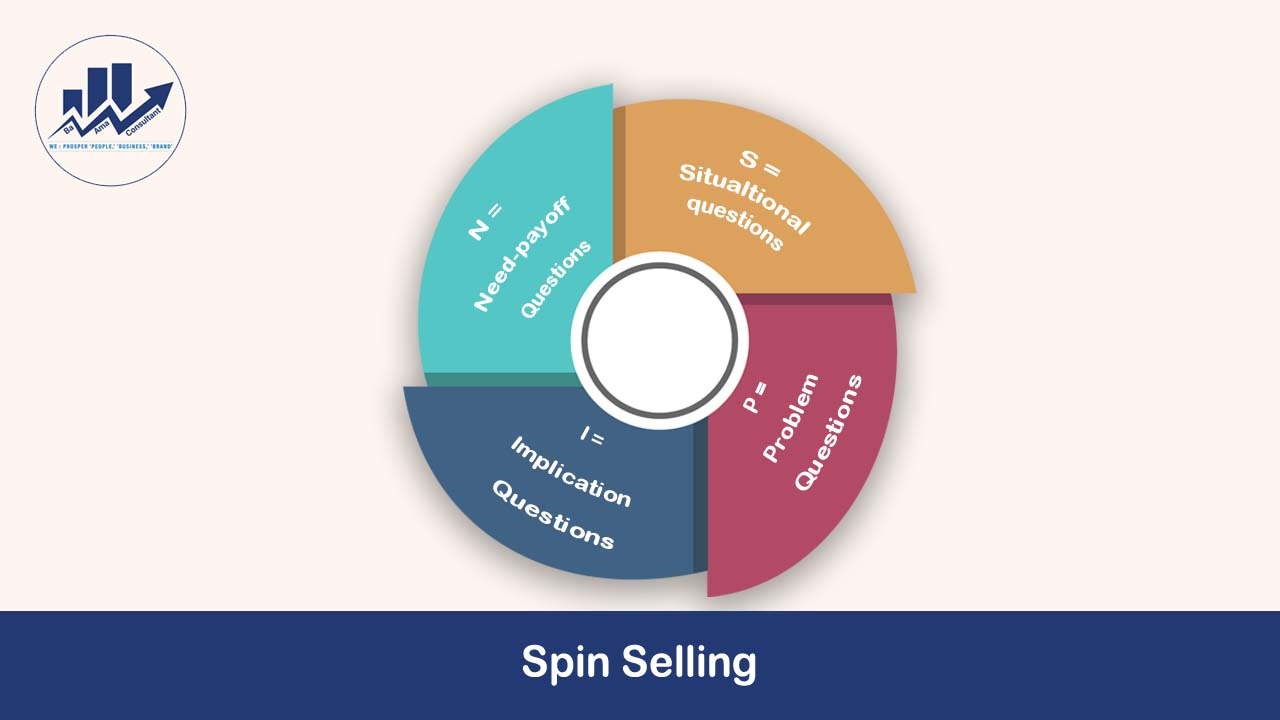
SPIN Selling

In the world of sales, mastering the art of persuasion is essential for success. One methodology that has gained significant traction in recent years is SPIN Selling. Developed by Neil Rackham in the 1980s, SPIN Selling is a research-based sales technique that focuses on asking questions to uncover the needs and pain points of potential customers. In this ultimate guide, we’ll delve into the principles of SPIN Selling and explore how you can implement it to boost your sales performance. What is SPIN Selling? SPIN stands for Situation, Problem, Implication, and Need-payoff. These four types of questions form the foundation of the SPIN Selling methodology. The Research Behind SPIN Selling One of the key aspects that set SPIN Selling apart is its foundation in empirical research. Neil Rackham and his team at Huthwaite Inc. conducted extensive studies on sales techniques, observing thousands of sales calls across various industries. Their findings, documented in Rackham’s groundbreaking book “SPIN Selling,” revealed several crucial insights: Implementing SPIN Selling in Your Sales Process Now that we understand the principles behind SPIN Selling, let’s explore how you can incorporate it into your sales process: Conclusion SPIN Selling offers a structured and research-backed approach to sales that can significantly improve your effectiveness and success rate. By asking the right questions and focusing on solving customer problems, you can build stronger relationships, close more deals, and ultimately drive greater revenue for your business. So, whether you’re a seasoned sales professional or just starting out, incorporating SPIN Selling into your toolkit can help take your sales performance to the next level.

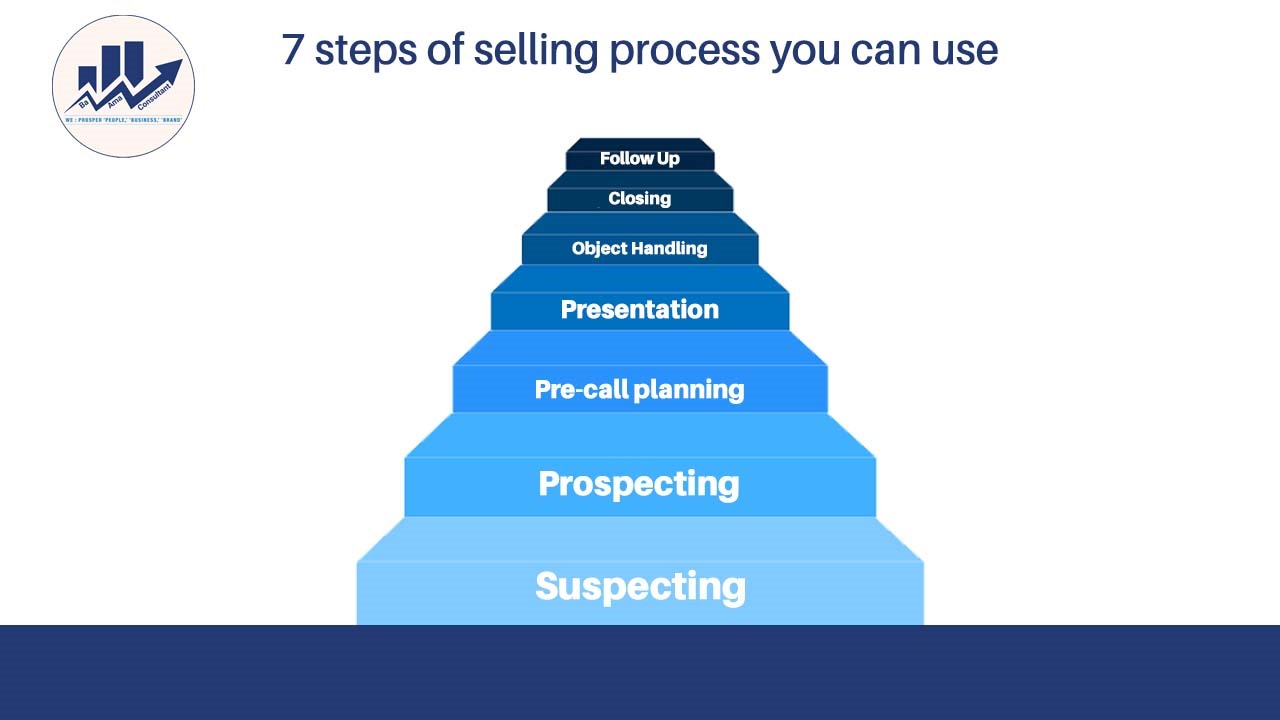
7 steps of the selling process you can use

7 steps of the selling process

In the dynamic world of sales, mastering the selling process is key to achieving success. From identifying potential customers to closing the deal, each step plays a crucial role in steering prospects towards a purchase decision. In this guide, we’ll explore the 7 essential steps of the selling process and how you can navigate through them effectively. 1. Suspecting: Identifying Potential Leads The sales process begins with suspecting, where sales professionals identify potential leads based on various factors such as demographics, behavior, and market trends. According to HubSpot, 61% of B2B marketers cite generating high-quality leads as their biggest challenge. Utilize tools like customer relationship management (CRM) software and data analytics to identify and qualify potential leads effectively. In the case of the pharmaceutical industry, suspicion varies with the customer potential and the number of patients they serve. The activities are listing out customers and identification of propensity and potential. 2. Prospecting: Evaluating and Prioritizing Leads Prospecting involves evaluating and prioritizing leads based on their likelihood to convert into customers. Research by Harvard Business Review reveals that responding to leads within an hour makes you seven times more likely to have a meaningful conversation with a decision-maker. Use lead scoring techniques, Retail call prescription Audit (RCPA) and personalized communication to engage with prospects and move them further down the sales process. 3. Pre-call Planning: Preparation for Effective Communication Preparation is key to successful sales interactions. Precall planning involves researching prospects, understanding their pain points, planning the communication, Identification of the product and tailoring your approach accordingly. According to Salesforce, 82% of top-performing salespeople say they’re strong at researching prospects. Develop a thorough understanding of your product or service and anticipate potential objections to address them confidently during the sales conversation. 4. Presentation: Articulating Value Proposition The presentation stage is where you showcase the value proposition of your product or service to the prospect. Utilize storytelling techniques and visual aids to effectively communicate how your offering addresses the prospect’s needs and solves their challenges.  Remember the area of concern of the customer by using probing techniques of asking questions, aligning the problem, and placing your problem-solving solution to the customer. Be fluent in your communication, and avoid jargon and filler words. 5. Objection Handling: Addressing Concerns and Overcoming Resistance Objections are a natural part of the sales process and provide an opportunity to address concerns and build trust with the prospect. According to Sales Insights Lab, the top three objections in sales are related to price, competition, and timing. Actively listen to the prospect’s concerns, empathize with their perspective, and provide relevant information or testimonials to alleviate their doubts. Effective objection handling can turn skeptics into satisfied customers. 6. Closing: Sealing the Deal Many sales people fail in this part. Closing may not happen either by not following  the sales process or not being effective in the objection-handling process. Closing is the culmination of the sales process where the prospect makes the decision to purchase. Research by HubSpot indicates that 80% of sales require five follow-up calls after the meeting. Use closing techniques such as the assumptive close or the trial close to guide the prospect towards making a commitment. Maintain a sense of urgency without appearing pushy, and be prepared to address any final objections that may arise. 7. Follow-up: Building Long-Term Relationships The sales process doesn’t end with the closing; it’s just the beginning of a long-term relationship with the customer. Follow-up is essential for nurturing customer loyalty and generating repeat business. Research by Marketing Metrics suggests that the probability of selling to an existing customer is 60-70%, while the probability of selling to a new prospect is 5-20%. Stay in touch with customers through personalized communication, provide ongoing support, and seek feedback to continuously improve your products or services. In conclusion, mastering the 7 steps of the selling process requires a combination of strategic planning, effective communication, documentation of the communication and relationship-building skills. By understanding the needs of your prospects, addressing their concerns, and delivering value at every stage, you can successfully navigate through the sales journey and achieve sustainable business growth.